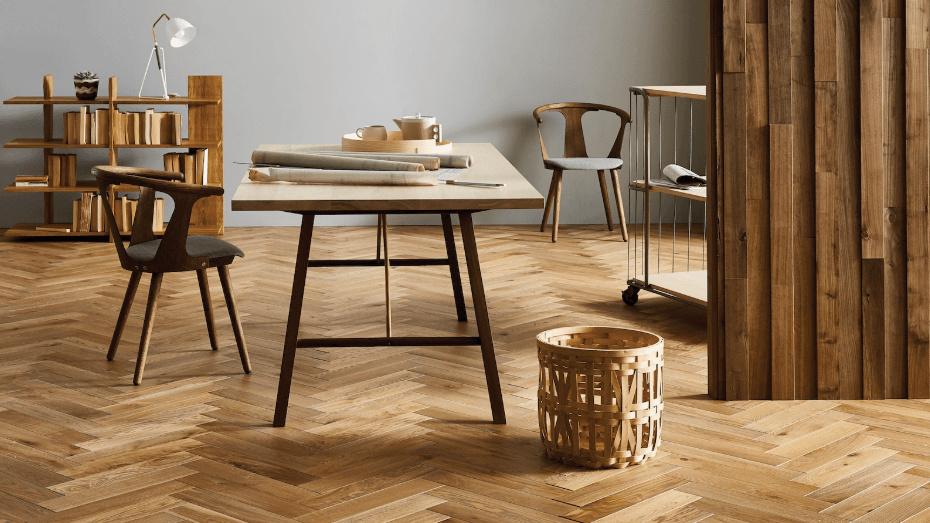
Restoring Original Flooring Without Losing Its Character

Original wooden flooring can be one of the most distinctive features in an older property. Years of use may leave boards scratched, faded or hidden beneath layers of old finishes, but those signs of age do not necessarily mean the floor needs replacing. With careful restoration, it is possible to improve its appearance and durability while retaining the details that give it character.
Start by Understanding the Existing Floor
Before any restoration begins, the floor should be assessed properly. Different woods, construction methods and previous treatments can all affect how the surface should be handled.
Loose boards, protruding nails, deep cracks and signs of moisture should be identified before cosmetic work starts. It is also worth checking how much the floor has been sanded previously. Older boards may have already lost some thickness, making a cautious approach particularly important.
The aim should not be to remove every indication of age. Small variations in colour, old nail holes and subtle marks can contribute to the authentic appearance of an original floor.
Repair Rather Than Replace Where Possible
A damaged board does not always need to be removed completely. Small splits may be repairable, while loose boards can often be secured without changing the overall appearance of the floor.
Where replacement is unavoidable, reclaimed timber can be a good option. Matching the species, width, grain and approximate age of the existing boards helps repaired areas blend naturally with their surroundings. New timber can sometimes appear noticeably different beside wood that has aged for decades.
Gaps also need careful consideration. While excessive gaps can cause draughts and collect dirt, perfectly filling every space may alter the traditional appearance of an older boarded floor.
Take a Careful Approach to Sanding
Sanding is often central to restoring wooden flooring because it removes damaged finishes, staining and surface scratches. However, aggressive sanding can take away more than just the unwanted surface layer.
Professional wood floor sanding can help uncover the natural grain while controlling how much material is removed. Working progressively and carefully is especially important with older boards, where preserving the timber should take priority over creating a completely uniform surface.
The finished floor should look refreshed rather than newly manufactured.
See also: Secure Fixed Rate Home Loan Perth Interest Options
Choose a Finish That Complements the Timber
The final treatment can dramatically change how an original floor looks. Heavy, glossy coatings may create a finish that feels out of place in a period property, while oils and more natural-looking finishes can allow variations in the timber to remain visible.
Colour should also be considered in relation to the wider room. Existing doors, skirting boards, fireplaces and furniture can provide useful guidance when choosing between a lighter natural finish and a deeper stain.
Accept the Beauty of Imperfection
One of the biggest mistakes in floor restoration is attempting to make old timber look completely new. Original flooring has often developed its appearance over many decades, and some evidence of that history is part of its appeal.
The most successful restoration balances practicality with preservation. Scratches can be reduced, damaged areas repaired and the surface protected without eliminating every knot, colour variation or historic mark. By working with the existing material rather than against it, an original floor can become an attractive feature once again while continuing to feel completely at home in the property.