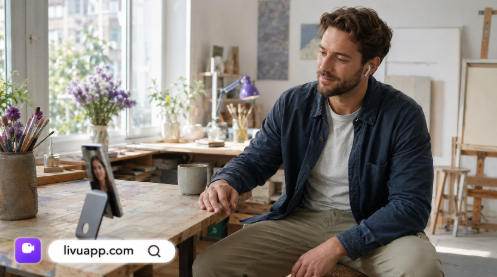
How to Make a Camera-Shy Person Feel Comfortable in Video Chat

Appearing on camera feels natural to some people and surprisingly difficult to others. A person may speak confidently in everyday life but become quiet, self-conscious, or uncertain when they see themselves on a screen. When meeting someone through a free video call app with random girl, it is important not to interpret this hesitation as boredom or rejection.
Camera shyness often decreases when the conversation feels safe and unhurried. You cannot force another person to relax, but you can create conditions that make comfortable participation more likely.
Do Not Announce Their Nervousness
Calling attention to someone’s discomfort can make it stronger. Questions such as “Why are you so nervous?” or “Why won’t you look at the camera?” place the person under additional observation.
Even a playful comment may communicate that their behavior is being evaluated. Instead, continue with a friendly greeting and a simple topic. Give them time to adjust without requiring an explanation.
If they mention feeling nervous, respond lightly:
“That’s completely understandable. We can keep the conversation relaxed.”
This acknowledges the feeling without turning it into the central subject.
See also: How to Celebrate the Things You Love in Everyday Life
Begin with Easy, Concrete Questions
Broad questions such as “Tell me about yourself” can be difficult for someone who is already self-conscious. A smaller question offers a clearer starting point.
Try asking about:
- What they have been doing that day
- A favorite drink or snack
- The music they recently heard
- The weather where they live
- A movie or series they enjoyed
- Something relaxing they do after work
These subjects do not require an impressive answer. Once the person begins discussing something familiar, their attention may shift away from the camera and toward the conversation.
Share Before Asking for More
A long sequence of questions can feel like an interview. Reduce that pressure by offering a detail about yourself before asking the other person to respond.
For example:
“I’ve been trying to learn how to cook a few simple dishes. I’m still not very good at it, but it has been fun. Do you enjoy cooking?”
Your own small disclosure communicates that the conversation is cooperative. It also gives the other person several possible ways to respond.
Accept Short Answers at the Beginning
A shy participant may initially reply with only a few words. Avoid treating each short answer as a problem that must be corrected.
Instead, respond warmly and add a gentle follow-up:
“I like jazz.”
“Nice choice. Do you prefer calm jazz or something more energetic?”
If the next answer remains brief, introduce a related detail of your own. The objective is to keep the interaction moving without demanding immediate openness.
Allow Natural Pauses
Silence feels more noticeable during a video call, but a short pause does not always mean the conversation has failed. The other person may be choosing words, translating mentally, or deciding how much they want to share.
Wait a moment before repeating the question. Maintain a relaxed expression and avoid showing impatience.
If the pause continues, simplify the question:
Instead of “What kind of experiences have influenced your personality?” ask, “Do you usually enjoy meeting new people, or does it take time for you to feel comfortable?”
A choice creates an easier entry point without forcing a deeply personal response.
Reduce the Pressure of Eye Contact
Looking directly into a camera lens can feel unnatural. People usually look at the other participant’s face on the screen, which means their gaze may appear slightly off-center.
Do not insist on constant camera eye contact. It is not necessary for a sincere exchange. A person may look away while thinking and return their attention when they are ready to respond.
Natural eye movement often indicates concentration rather than avoidance.
Keep Your Own Energy Calm
High enthusiasm can be welcoming, but it can also overwhelm someone who is still adjusting. Speaking very loudly, asking questions rapidly, or using exaggerated reactions may create the impression that they must match your performance.
Begin with a moderate pace and relaxed tone. If the other person becomes more expressive, you can allow the energy to increase naturally.
A calm presence can communicate that there is no need to entertain, impress, or respond perfectly.
Use the Environment as a Neutral Topic
A safe observation about the surroundings can shift attention away from personal evaluation. A plant, musical instrument, painting, book, or view may offer an easy subject.
For example:
“That looks like an interesting workspace. Do you do anything creative there?”
Keep observations neutral and avoid examining private details. The purpose is to find a comfortable conversational doorway, not to investigate someone’s home.
This approach can be especially useful during a لايف فيديو conversation, where participants may have different languages or social expectations. A visible object can provide immediate shared context.
Offer Questions with More Than One Good Answer
Camera-shy people may worry about giving a wrong or uninteresting response. Preference questions reduce that concern because every option is valid.
Try questions such as:
- “Do you prefer mornings or evenings?”
- “Would you rather visit a busy city or a quiet beach?”
- “Do you enjoy planning trips or being spontaneous?”
- “Would you choose music, movies, or books for a relaxing day?”
After they choose, ask what influenced the preference. This encourages a longer answer without making the conversation feel demanding.
Respond to What They Actually Say
When someone finally shares a meaningful detail, stay with it. Do not immediately move to the next prepared question.
If they mention enjoying painting, ask what they like to paint or how they became interested in it. A relevant follow-up proves that you were listening and reduces the uncertainty of choosing a new subject.
Feeling heard can help a reserved participant become more willing to contribute.
Avoid Demanding Personal Information
Shyness and privacy are not the same thing, but they can appear similar. Someone may be comfortable talking while still choosing not to share their location, workplace, contact information, or relationship status.
Respect phrases such as:
- “I’d rather not say.”
- “That’s personal.”
- “Can we talk about something else?”
- “I don’t share that online.”
Respond briefly and change the subject. Pressuring the person will not build trust; it will confirm that their caution was necessary.
Do Not Treat Openness as a Goal to Win
The purpose of a conversation is not to make a shy person reveal as much as possible. They may remain quiet throughout the interaction, and that is acceptable.
Measure success by whether the exchange stayed respectful and comfortable, not by how many personal details you learned. Some people enjoy a short, calm conversation more than an energetic one.
Give Them an Easy Way to Leave
Knowing that a conversation can end without conflict often reduces pressure. If the other person appears uncomfortable or says they need to go, accept the signal gracefully.
You might say:
“No problem. It was nice talking with you.”
Do not demand a reason, attempt to make them feel guilty, or insist that they stay for another question. Respectful endings contribute to safer and more positive online experiences.
Be Patient with Gradual Change
Comfort may develop slowly. A participant who begins with short answers might eventually smile more, ask a question, or tell a longer story. Notice the change without commenting on it too strongly.
Saying “You’re finally talking!” can return attention to their earlier discomfort. Simply continue the conversation at the pace that now feels natural.
Final Thoughts
Camera shyness is not a flaw and does not need to be corrected. It is often a temporary response to unfamiliar technology, new people, language differences, or the feeling of being visually observed.
Whether you are joining لايف فيديو or trying a free video call app with random girl, create comfort through patience rather than pressure. Begin with simple topics, share something about yourself, allow pauses, and respect the other person’s boundaries. A relaxed conversation does not require perfect confidence—it only requires both people to feel that they can participate on their own terms.