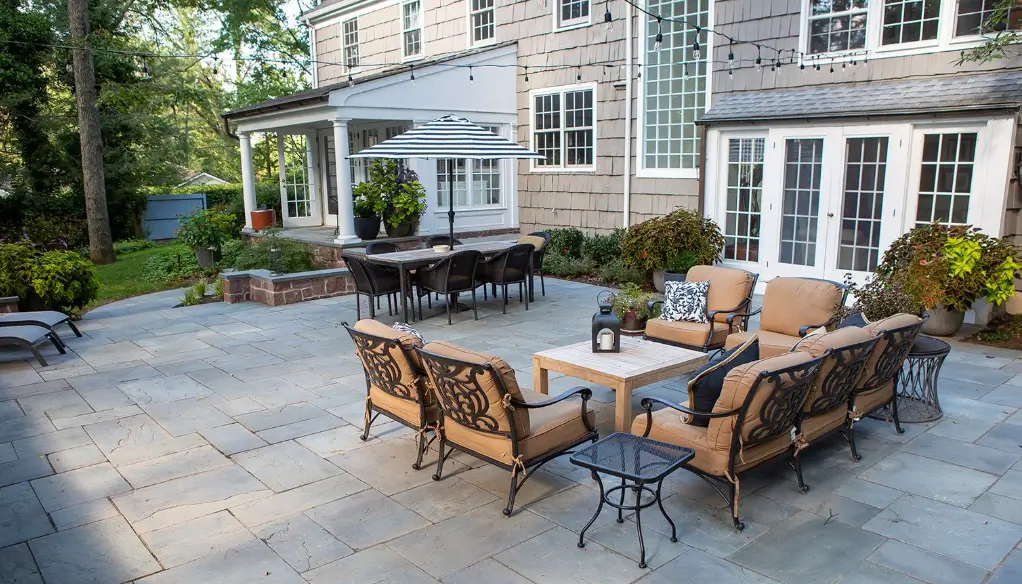
What to Consider When Choosing Patio Contractors for a Home Project

A patio can add useful outdoor space, but the result depends on planning, preparation, materials, and construction details. Homeowners comparing contractors should look beyond a surface sample and ask how the proposed patio will fit the property and support everyday activities.
Define the Project
Start by identifying how the patio will be used. Dining, lounging, entertaining, gardening, and access to a pool may require different layouts. Measure furniture and leave space for people to move around it. A simple sketch can clarify the size and shape that make sense.
Review the Site
Notice slopes, low areas, downspouts, trees, doors, steps, existing paths, and nearby structures. These features affect access, grading, drainage, and the way the patio meets the home. Ask how the site will be prepared and how water will move after construction.
Ground preparation is an important part of a durable hardscape. Ask what base materials and compaction methods are planned, how edges will be supported, and how the surface will transition to lawn, gardens, steps, or the house.
Compare Materials
Patio materials differ in texture, color, pattern, maintenance, and installation requirements. View samples outdoors and compare them with the home’s exterior. Ask how the surface should be cleaned and what routine care the joints or finish may require.
For homeowners evaluating patio contractors, useful questions cover site preparation, drainage, material selection, access, construction sequence, and the relationship between the patio and the rest of the landscape.
Discuss the Layout
Paths should connect the patio with frequently used doors and other outdoor destinations. Steps and changes in elevation should be easy to understand and comfortable to use. Consider shade, privacy, planting, lighting, and storage as part of the layout rather than afterthoughts.
Ask for Clear Communication
Before work begins, confirm the proposed scope, decisions still needed, access requirements, and how updates will be handled. Ask how existing surfaces and plants will be protected and how the work area will be managed. Clear communication helps homeowners plan around temporary disruption.
A successful patio project balances appearance with function. By evaluating the site, materials, drainage, layout, and construction approach together, homeowners can choose a solution suited to the property and the way the space will be used.
It is also helpful to ask how the finished patio will meet doors, steps, lawns, and planting beds. These transitions influence both circulation and the way water moves through the yard.
Homeowners can request a clear explanation of maintenance expectations and the decisions that must be made before materials are ordered. Keeping those details organized makes the planning process easier to follow.
A well-defined project gives the contractor and homeowner a common reference point. It also helps distinguish essential construction questions from optional design preferences.
Prepare for the Work
Ask how equipment and materials will reach the site and whether gates, fences, or existing landscape features affect access. Discuss where materials will be placed and which areas may be temporarily unavailable. Knowing these details helps a household plan around the work and protects items that should remain undisturbed.
Clarify the expected sequence of site preparation, base installation, surface placement, edging, and cleanup. The exact approach depends on the property and selected material, so ask for an explanation specific to the project rather than assuming every patio is built the same way.
Consider the Surroundings
A patio should relate to the home’s exterior and the wider yard. Think about nearby windows, views, shade, and the location of planting beds. A cohesive material palette can tie paths and gathering areas together, while a simple border may define the patio without adding visual clutter.
Maintenance access should remain practical. Leave room to reach drainage features, walls, planting, and any equipment that needs periodic attention. A thoughtful plan considers not just the completed surface but also how the property will be cared for afterward.
Review a proposed layout from the main door and the yard. Check that furniture fits, routes remain open, and transitions are comfortable. These questions help homeowners compare options on function as well as appearance.