Prostate Artery Embolization for BPH: What Patients Should Know

Prostate artery embolization (PAE) is a minimally invasive prostate treatment that may help men manage urinary problems caused by benign prostatic hyperplasia (BPH). For patients researching prostate artery embolization Beaumont TX, the procedure offers an option that does not involve traditional surgical removal of prostate tissue. Seamless provides information and care options for people exploring treatments for urinary symptoms associated with an enlarged prostate.
Why BPH Can Affect Everyday Life
Benign prostatic hyperplasia is a noncancerous enlargement of the prostate that becomes more common with age. As the prostate grows, it can press against the urethra and interfere with the normal flow of urine. The condition does not mean a man has prostate cancer, although persistent urinary changes should still be evaluated by a healthcare professional.
Common enlarged prostate symptoms include needing to urinate often, especially during the night, having a sudden urge to urinate, and experiencing a weak or interrupted stream. Some men also notice dribbling after urination or a sensation that the bladder has not completely emptied.
Symptoms can range from mild inconvenience to significant disruption. Frequent urination may interfere with sleep and daily activities, while weak urine flow can make bathroom visits longer and more frustrating. More advanced obstruction may contribute to difficulty urinating, urinary retention, bladder problems, or recurrent urinary tract infections.
What Is Prostate Artery Embolization?
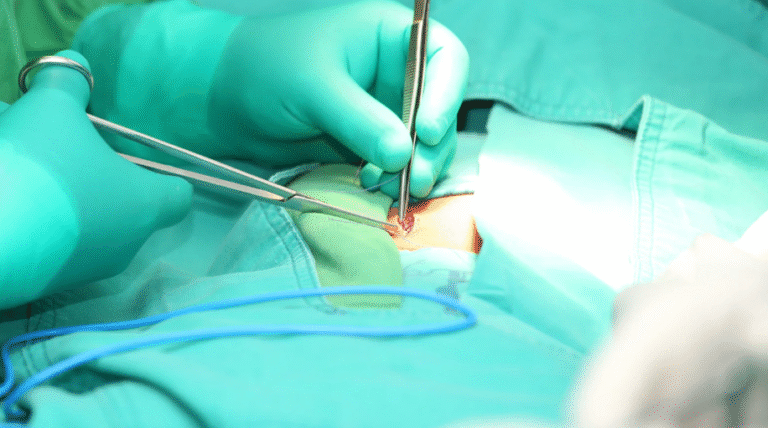
PAE is an image-guided procedure performed by an interventional radiologist. Rather than surgically removing prostate tissue, the physician guides a thin catheter through an artery toward the blood vessels supplying the prostate.
Tiny particles are then delivered through selected arteries. These particles reduce blood flow to portions of the prostate, which can cause the gland to gradually shrink. As the prostate becomes smaller, pressure around the urethra may decrease, potentially improving urinary symptoms.
The procedure is performed through a small vascular access point rather than a large surgical incision. Patients considering this approach should discuss their medical history, prostate size, urinary symptoms, medications, and other treatment options with an appropriately qualified specialist.
How the Procedure Is Performed
Before PAE, the physician typically reviews the patient’s symptoms and medical history. Diagnostic testing may include blood work, urine testing, imaging, and prostate evaluation. These assessments help determine whether PAE is appropriate and whether another condition could be responsible for the urinary symptoms.
During the procedure, the patient receives medication to promote comfort. The interventional radiologist inserts a catheter into an artery, commonly through the wrist or groin, and uses imaging to guide it toward the prostate arteries.
Once the appropriate blood vessels are identified, embolization particles are carefully released. The physician may treat arteries supplying both sides of the prostate. Imaging helps confirm the location of the catheter and the distribution of the embolization material.
After the procedure, the catheter is removed and the access site is monitored. Recovery requirements vary from patient to patient, so the medical team provides specific instructions based on the procedure and the patient’s overall health.
Potential Benefits for Men With BPH
PAE is considered an alternative enlarged prostate treatment for selected patients who have bothersome urinary symptoms. One reason some patients consider it is the minimally invasive nature of the procedure.
Unlike procedures that surgically remove prostate tissue, PAE does not require an incision through the prostate itself. It may also be performed without general anesthesia in many cases, depending on the patient’s circumstances and the treating facility.
Another consideration is recovery. Some patients may return to normal activities relatively quickly, although recovery varies and temporary symptoms can occur. PAE may also be considered by men who prefer to avoid certain effects associated with surgical BPH procedures.
PAE is not appropriate for everyone, and results can vary. A specialist should review the potential benefits and limitations before treatment is selected.
What Recovery May Feel Like
Recovery after PAE differs among patients. Temporary pelvic discomfort, urinary urgency, increased frequency, or mild burning during urination may occur after the procedure. These symptoms are generally discussed with patients before treatment so they know what changes may occur during recovery.
Some men notice urinary improvement gradually rather than immediately. Because the treatment works by reducing blood flow and allowing the prostate to shrink over time, symptom changes may develop over the following weeks.
Patients should follow post-procedure instructions carefully and report unusual or severe symptoms to their medical team. Follow-up appointments allow the physician to assess recovery and determine how urinary symptoms are responding.
PAE Compared With Other BPH Treatments
There are several forms of BPH treatment, and the right choice depends on the patient’s symptoms, prostate characteristics, medical history, and personal preferences.
Medication is often used for men with mild to moderate symptoms. Different medications can relax the muscles around the prostate and bladder neck or reduce prostate growth. Some patients experience adequate symptom relief with medication, while others may eventually need another treatment.
Surgical procedures can remove or destroy prostate tissue to improve urine flow. These approaches may be recommended for certain prostate sizes or more severe cases of obstruction.
PAE takes a different route by reducing blood supply to the prostate instead of directly removing tissue. A physician can explain how its expected benefits, risks, recovery, and long-term results compare with other options available for a particular patient.
Who May Be Considered for PAE?
PAE may be considered for men with symptomatic BPH who have not achieved satisfactory relief through medication or who want to discuss alternatives to traditional surgery. Prostate size, anatomy, urinary function, previous treatments, and other medical conditions can affect eligibility.
A proper evaluation is necessary before scheduling the procedure. Urinary symptoms can have several causes, and not every man experiencing frequent urination or difficulty urinating has BPH. Conditions involving the bladder, urinary tract, medications, infections, or other prostate problems may produce similar symptoms.
Men should also discuss prostate cancer screening and other recommended evaluations with their healthcare provider. PAE is intended for benign prostate enlargement and is not a treatment for prostate cancer.
Risks and Questions to Discuss
Every medical procedure has potential risks. With PAE, possible complications can include bleeding or bruising at the catheter access site, infection, temporary urinary symptoms, pelvic discomfort, or unintended embolization of nearby blood vessels. Serious complications are less common but should still be discussed before treatment.
Patients can ask their physician how many PAE procedures they perform, what preparation is required, what type of anesthesia or sedation will be used, how long recovery typically takes, and what follow-up care is provided.
It is also useful to ask how PAE compares with medication and surgical options for the individual’s prostate size and symptoms. Having clear information can help patients participate actively in treatment decisions.
Finding the Right Care for BPH
Persistent urinary changes deserve medical attention, particularly when symptoms interfere with sleep, work, travel, or daily routines. A medical evaluation can identify the cause and determine whether medication, lifestyle measures, PAE, surgery, or another treatment is appropriate.
For men researching prostate artery embolization Beaumont TX, speaking with a qualified medical team can provide a clearer understanding of the procedure and its suitability. Treatment decisions should be based on individual health needs rather than symptoms alone.
Moving Forward With an Appropriate Treatment Plan
Living with an enlarged prostate does not mean urinary problems have to be ignored. Modern enlarged prostate treatment options give patients several paths to consider, including minimally invasive procedures such as PAE.
A consultation can help clarify the source of urinary symptoms, available treatments, expected recovery, and potential risks. Patients interested in learning more about PAE and their available care options can contact us today to discuss the next steps with a qualified healthcare professional.