Essential Equipment That Keeps Events Running Smoothly

Behind every successful event is a carefully planned setup that most guests never notice. Whether it’s a corporate conference, outdoor festival, wedding, exhibition, or community gathering, the right equipment ensures everything runs efficiently from start to finish. When every element works together, organizers can focus on delivering an exceptional experience rather than solving last-minute problems.
Here are the essential pieces of equipment that help events run smoothly and why they matter.
Reliable Power Supply
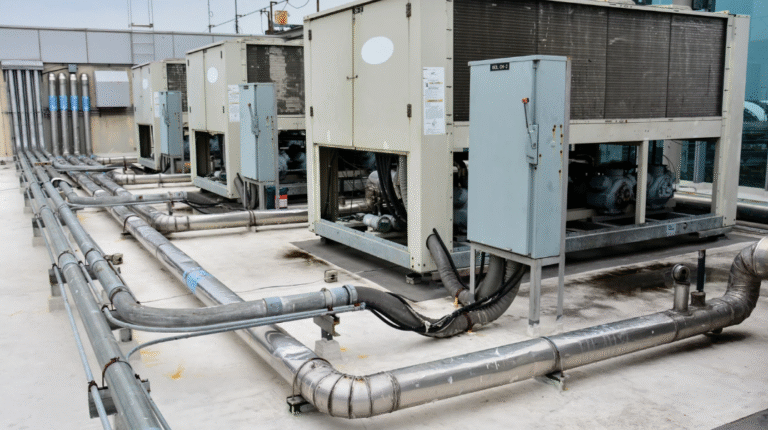
A dependable power source is one of the most important aspects of any event. Lighting, sound systems, catering equipment, ticketing stations, and digital displays all rely on a stable electricity supply. Even venues with permanent electrical connections can experience limitations when hosting larger events or outdoor functions.
For this reason, many organizers choose generator hire to provide reliable backup or primary power. Having a suitable generator in place helps prevent unexpected disruptions and ensures every part of the event continues operating safely and efficiently.
Professional Sound Systems
Clear communication and high-quality audio are essential for almost every event. From keynote speeches and live music to award ceremonies and announcements, guests need to hear every word without distortion or interruptions.
Choosing professional speakers, microphones, mixers, and amplifiers that suit the venue size makes a significant difference. Wireless microphones also provide presenters and performers with greater flexibility while reducing cable hazards around the stage.
Testing the audio equipment well before guests arrive allows technicians to identify any issues before they become a problem.
Effective Lighting
Lighting does far more than simply brighten a venue. It creates atmosphere, highlights key areas, improves visibility, and enhances photography and video recordings.
Different events require different lighting solutions. Conferences often benefit from bright, even lighting that keeps presenters visible, while weddings and evening receptions usually rely on softer, decorative lighting to create ambiance.
Outdoor events may also require temporary floodlights for pathways, entrances, parking areas, and backstage operations to maintain safety after dark.
Staging and Event Structures
A well-designed stage provides a focal point for presentations, entertainment, and ceremonies. It also improves visibility, allowing attendees throughout the venue to see what is happening.
For outdoor events, temporary structures such as marquees, gazebos, and covered stages offer protection from unpredictable weather while providing comfortable spaces for guests, performers, and equipment.
These structures should always be installed by experienced professionals to ensure they remain safe and secure throughout the event.
Furniture and Guest Facilities
Comfortable seating, tables, registration desks, barriers, and signage all contribute to a positive guest experience. Practical layouts help visitors move around easily while preventing unnecessary congestion.
For longer events, organizers should also consider rest areas, charging stations, waste disposal points, and accessible facilities. Small details like these can significantly improve visitor satisfaction while helping staff manage crowds more effectively.
See also: How Small Business Coaching Can Help You Tackle Early Business Struggles
Communication Equipment
Successful events rely on constant communication between organizers, security teams, technicians, caterers, and venue staff. Two-way radios remain one of the most reliable communication tools, particularly across large venues where mobile phone reception may be inconsistent.
Quick communication allows teams to respond immediately to changing situations, coordinate schedules, and resolve issues before attendees even notice them.
Safety Equipment
Safety should always remain a top priority regardless of the event size. First aid kits, fire extinguishers, emergency lighting, cable covers, barriers, and clear evacuation signage all play an essential role in protecting guests and staff.
Risk assessments should identify potential hazards in advance, ensuring the appropriate equipment is available before the event begins. Regular equipment inspections also help reduce the likelihood of technical failures during operation.
Planning Makes the Difference
Having the right equipment is only part of the equation. Careful planning, professional installation, routine testing, and experienced technical support ensure every piece of equipment performs as expected when it matters most.
When organizers invest in reliable infrastructure and quality equipment, they minimize disruptions, improve guest satisfaction, and create events that leave lasting positive impressions. From dependable power supplies and clear audio to effective lighting and robust safety measures, every component works together to deliver a seamless experience that guests remember for all the right reasons.