Why Smarter Skylight Design Is Transforming Modern Home Interiors

Natural light has become one of the most valued features in modern home design. As homeowners look for brighter, healthier, and more energy-conscious spaces, roof glazing is becoming an important part of the conversation. A triple glazed flat roof skylight can bring generous daylight into rooms where traditional windows may not be practical while also supporting better insulation and indoor comfort. But today’s skylight design is about more than simply adding a window to the roof. It is about creating spaces that feel connected to the outdoors while working efficiently with the rest of the home.
From biophilic interiors to smarter energy management, several design trends are influencing how homeowners approach natural light. Understanding these trends can help you make more thoughtful choices when planning a renovation, extension, or new living space.
Why Natural Light Is Taking Center Stage
Interior design has increasingly moved toward creating spaces that feel open, comfortable, and connected to nature. Natural daylight plays an important role in achieving that atmosphere.
Unlike artificial lighting, daylight changes naturally throughout the day. Morning light can make a room feel fresh and inviting, while softer afternoon light can create a more relaxed environment. A well-positioned skylight can also distribute daylight deeper into a room, helping reduce the darker areas that often occur in spaces surrounded by solid walls.
Natural light can be particularly useful in:
- Kitchens where bright, practical illumination supports everyday activities.
- Living rooms where daylight can create a more open and welcoming atmosphere.
- Home offices where balanced natural lighting can improve visual comfort.
- Hallways and internal spaces where conventional windows may not be possible.
- Extensions where roof glazing can prevent the new area from feeling enclosed.
The key is not simply to maximize the amount of glass. Effective skylight design considers orientation, room use, glazing performance, ventilation, and the overall architecture.
Biophilic Design and the Return to Natural Connections
Biophilic design has become an influential trend in contemporary interiors. The concept focuses on incorporating natural elements into built environments, including daylight, greenery, natural textures, fresh air, and visual connections with the outdoors.
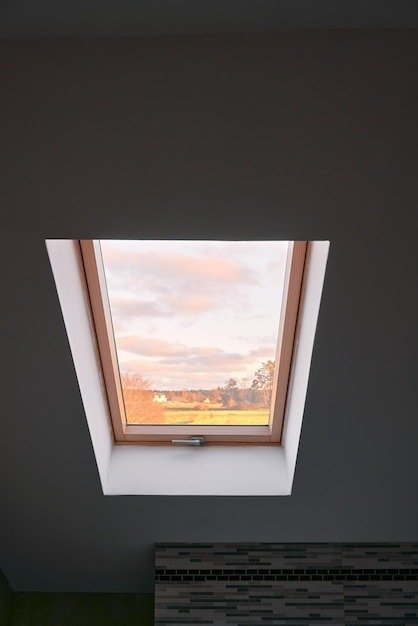
Skylights naturally support this approach. By introducing daylight from above, they can change how people experience an interior and create a stronger connection between the home and its surroundings.
This can be especially valuable in urban properties where neighboring buildings or limited garden space restrict conventional views. Even without a large outdoor outlook, a skylight can provide an important sense of openness by allowing the sky to become part of the interior experience.
The effect can be enhanced by combining roof glazing with natural materials, indoor plants, light-colored surfaces, and simple architectural details.
Flat Roofs Offer New Opportunities for Daylight
Flat roof architecture has become increasingly popular in modern extensions and contemporary homes. These roofs create a clean exterior profile, but they can also present challenges when it comes to introducing natural light.
Traditional vertical windows may not provide enough daylight in rooms positioned toward the center of a property. This is where roof glazing can make a significant difference.
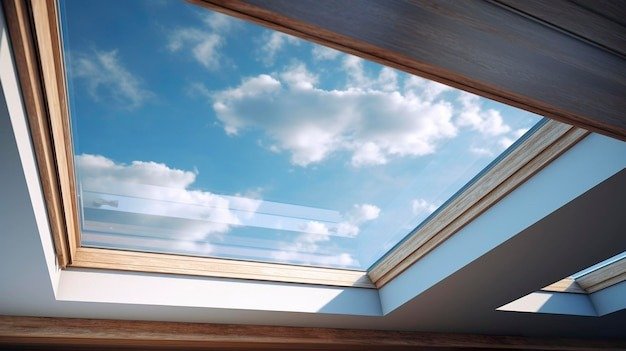
A skylight installed within a flat roof can bring light directly into the space below. Because the light enters from above, it can reach areas that may remain relatively dark even when a room has exterior windows.
This makes roof glazing particularly useful for open-plan layouts. Instead of relying entirely on wall-mounted windows, designers can use overhead glazing to create different zones of light throughout the room.
Better Glazing Is Changing Skylight Performance
Modern skylights are no longer designed solely around appearance. Glazing technology has become an important part of the overall design process.
Advanced glazing can help balance daylight with thermal performance. This matters because large areas of glass can influence how heat moves between the interior and exterior of a building.
Well-designed roof glazing can support:
- Improved thermal insulation through advanced glazing construction.
- More consistent indoor temperatures across changing conditions.
- Better control of unwanted heat gain when the right specification is selected.
- Reduced reliance on artificial lighting during daylight hours.
- A more comfortable interior environment throughout the year.
The performance of the glazing should always be considered alongside the roof construction, frame materials, orientation, and surrounding architecture. A skylight works best when all these elements are designed to complement one another.
Designing for Comfort, Not Just Brightness
More daylight does not automatically mean better daylight. A successful skylight should provide useful illumination without creating excessive glare or uncomfortable heat.
Room orientation is one factor to consider. The position and size of the skylight can influence how sunlight enters the space during different parts of the day. Interior finishes also matter because reflective surfaces can distribute light differently from darker materials.
Window treatments and shading solutions may also be considered where direct sunlight is a concern. These features can provide greater control over the amount of light entering a room while preserving the benefits of roof glazing.
The goal is to create a balanced environment where natural light enhances the space rather than becoming visually overwhelming.
Minimalist Architecture Is Making Skylights More Discreet
Another noticeable design trend is the preference for clean, uncluttered interiors. Homeowners are increasingly interested in architectural features that provide practical benefits without dominating the visual character of a room.
Modern skylights can support this minimalist approach. When integrated carefully into a flat roof, roof glazing can become part of the architecture rather than appearing as an isolated feature.
Slim visual profiles, simple framing, and carefully considered positioning can help create a seamless appearance. The result is often a room where daylight feels naturally integrated into the design.
This approach is particularly effective in contemporary kitchens, dining areas, extensions, and open-plan living spaces where simplicity is central to the overall aesthetic.
See also: How Small Business Coaching Can Help You Tackle Early Business Struggles
How Skylight Rooflight Fits Into Modern Design
The growing focus on daylight, thermal performance, and thoughtful architecture has changed how homeowners view skylights. They are increasingly seen as architectural elements rather than simple roof accessories.
Skylight Rooflight reflects this broader approach by focusing attention on how roof glazing can contribute to the character and functionality of a space. The right solution should work with the building rather than being treated as an afterthought.
When planning a skylight, it is useful to think beyond the immediate visual impact. Consider how the feature will interact with the room during different seasons, how daylight will move across the interior, and how the glazing fits into the wider design of the property.
Smart Homes Are Influencing Skylight Expectations
Smart technology has also changed expectations around home comfort. Heating, lighting, ventilation, and shading systems can increasingly be managed according to changing indoor and outdoor conditions.
Skylights are becoming part of this wider conversation. Depending on the design and specification, roof windows and roof glazing can work alongside ventilation and shading strategies to create a more responsive interior environment.
For example, controlled ventilation can help manage indoor air quality, while shading can provide additional control over direct sunlight. When these elements are considered together, the skylight becomes part of a broader environmental strategy rather than functioning independently.
This integrated approach is likely to remain important as homeowners seek more efficient and adaptable spaces.
Choosing the Right Position for a Skylight
Positioning deserves careful attention because the location of a skylight can influence both its appearance and performance.
Start by considering how the room is used. A skylight above a dining area may create a different experience from one positioned over a kitchen work surface or reading area.
It is also worth considering existing windows. A skylight does not necessarily need to compete with vertical glazing. Instead, it can complement it by introducing light from another direction.
Important factors include:
- The room’s orientation and exposure to sunlight.
- The position of furniture and major interior features.
- The size and shape of the available roof area.
- The desired level of daylight throughout the room.
- Potential glare and solar heat considerations.
- The relationship between the skylight and the existing roof structure.
Good planning can make a relatively simple architectural feature feel intentional and integrated.
Skylights in Home Extensions
Extensions often create larger and more flexible living areas, but they can also leave parts of the original property feeling darker. This is one reason roof glazing has become a popular feature in extension design.
A skylight can help connect the existing structure with the new space by creating a stronger sense of continuity. In an open-plan extension, overhead daylight can also help define different areas without relying on walls or partitions.
For example, a kitchen can benefit from daylight over an island, while a nearby dining or living area can receive softer illumination through another carefully positioned opening.
The result can be a more layered lighting environment that feels spacious without depending entirely on artificial sources.
Looking Beyond Appearance
A skylight may be one of the most visually noticeable features in a room, but appearance should not be the only consideration. Long-term performance, insulation, ventilation, maintenance, structural requirements, and installation details all deserve attention.
The best design decisions are usually those that balance aesthetics with practical performance. A visually striking skylight that creates excessive glare or poor thermal comfort may not deliver the experience homeowners expect.
Likewise, a technically efficient product still needs to suit the architecture and proportions of the room.
Thinking about the skylight as part of the complete building envelope can help ensure that its design supports both comfort and appearance.
The Future of Natural Light in Home Design
The demand for brighter, healthier, and more adaptable interiors is likely to continue influencing residential architecture. Natural light fits naturally into this movement because it can improve the atmosphere of a space while supporting broader design goals.
Future skylight design is likely to place even greater emphasis on performance, integration, smart controls, ventilation, and responsible use of materials. Rather than treating daylight as an additional feature, designers are increasingly incorporating it into the fundamental planning of a room.
This shift is important because the best interiors do not simply look attractive in photographs. They need to feel comfortable and functional when people use them every day.
Conclusion
Skylights are becoming an increasingly thoughtful part of modern home design, particularly as homeowners place greater value on natural light, biophilic principles, energy-conscious construction, and comfortable interiors. A carefully planned rooflight can transform a darker area, strengthen the connection with the outdoors, and contribute to the overall character of a home.
The most successful approach is to consider the complete picture, including glazing performance, positioning, ventilation, shading, architecture, and how the room will actually be used. When these factors work together, a skylight can become much more than a source of daylight. It can shape the atmosphere and functionality of an entire space.
If you are considering bringing more natural light into a flat roof area or planning a modern renovation, Contact us to explore how thoughtful skylight design can complement your space and your wider architectural goals.