What To Expect From A Chemical Peel Treatment

Chemical peels can sound a little intimidating if you have never had one before. After all, the word “peel” might bring to mind dramatic shedding or an uncomfortable recovery period. In reality, chemical peels come in different strengths, and many are designed to refresh the skin with relatively little disruption to your normal routine.
If you are considering booking one, knowing what happens before, during, and after the treatment can make the whole experience feel much more straightforward.
It Starts With a Skin Consultation
Before the peel itself, your provider will usually take a closer look at your skin and discuss what you would like to improve. Chemical peels can be used to address a range of concerns, including uneven texture, dullness, discoloration, clogged pores, fine lines, and acne-related marks.
Your skin type, sensitivity, current skincare routine, and treatment goals can all help determine which type and strength of peel is most appropriate.
If you are considering professional skincare treatments, a provider such as dermani MEDSPA® can help you explore options based on your individual skin concerns rather than taking a one-size-fits-all approach.
What Happens During the Treatment?
At the beginning of the appointment, your skin will typically be thoroughly cleansed to remove makeup, oil, and other residue.
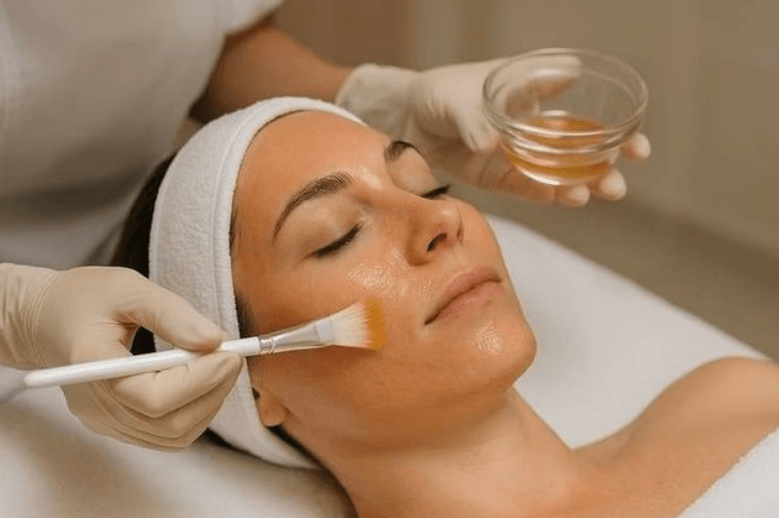
The chemical solution is then applied evenly to the treatment area. Depending on the type of peel, you may notice a mild tingling, warming, or stinging sensation while the solution is on your skin. Your provider will monitor your skin throughout the process and may neutralize or remove the solution after a set amount of time.
The appointment itself is often fairly quick, making chemical peels a treatment that can be easy to fit into a busy schedule.
Your Skin May Look Different Afterwards
What happens after a chemical peel depends heavily on its strength. With a lighter peel, you might experience some redness, dryness, or mild flaking over the following few days.
Medium or stronger peels can involve more noticeable peeling and a longer recovery period. Your provider should explain what level of downtime to expect before treatment so you can plan around work, social events, or other commitments.
It is important not to pick at peeling or flaky skin. As tempting as it might be, allowing the skin to shed naturally helps reduce the risk of irritation.
Your Skincare Routine May Need Adjusting
For a short period after a chemical peel, your skin may be more sensitive than usual. This often means putting strong active ingredients such as retinoids, exfoliating acids, and scrubs on hold.
Gentle cleansing, moisturizing, and following your provider’s aftercare instructions can help support the healing process.
Sun protection is especially important too. Freshly treated skin can be more vulnerable to UV exposure, so wearing broad-spectrum sunscreen and limiting unnecessary sun exposure should become a priority.
See also: How To Take Ownership of Your Health
Results Usually Develop Gradually
Do not necessarily expect your skin to look dramatically different the moment you leave the appointment. Chemical peels work through a process of exfoliation and skin renewal, so results generally become more noticeable as the skin settles.
You may gradually notice a smoother texture, brighter appearance, or more even-looking complexion. Some people choose occasional peels, while others incorporate them into a broader professional skincare plan.
The key is choosing the right treatment for your skin and having realistic expectations. With proper preparation and aftercare, a chemical peel can be a simple way to give your skincare routine an extra boost.