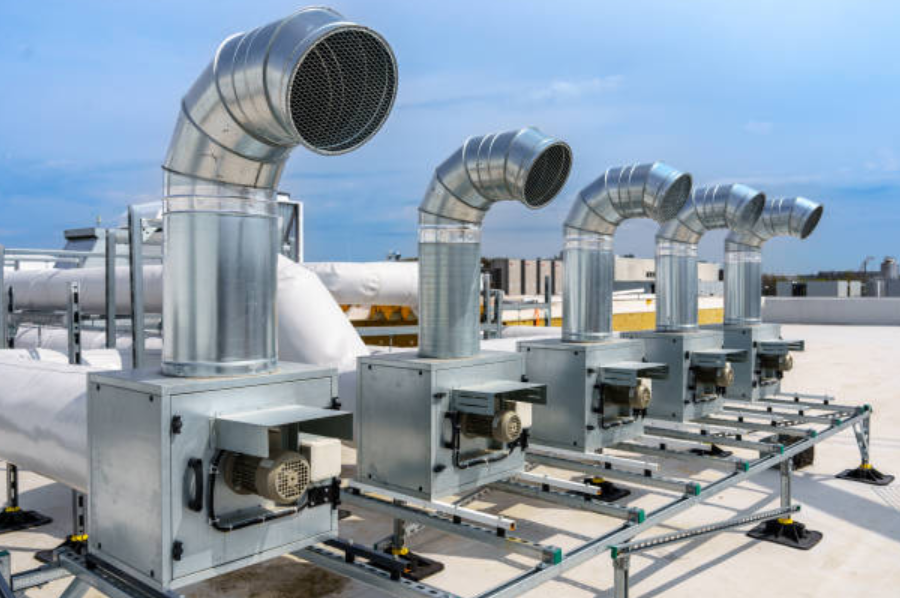
Ventilation System Manufacturers: Choosing the Best Solutions for Your Space

A well-designed ventilation system is one of the most important elements of any building, whether it’s a home, office, factory, or public space. Ventilation ensures proper airflow, removes harmful pollutants, maintains comfort, controls humidity, and improves indoor air quality.
Selecting the right ventilation system manufacturer is critical because the quality of the components, efficiency, and reliability of the system all depend on it. A poor-quality system can lead to increased energy costs, unhealthy indoor environments, and frequent maintenance issues.
This guide will explore the different types of ventilation systems, highlight leading manufacturers, explain how to choose the best solutions, discuss maintenance and troubleshooting, and provide practical tips for selecting and installing a ventilation system for your building.
Understanding Ventilation Systems
Ventilation systems are designed to circulate air, control temperature, remove contaminants, and maintain indoor air quality. Depending on the type of building and specific needs, ventilation systems can vary widely in complexity.
Types of Ventilation Systems
1. Natural Ventilation
- Utilizes windows, vents, and architectural openings to circulate air without mechanical assistance.
- Energy-efficient and environmentally friendly.
- Limited control over airflow and air quality.
- Common in residential buildings, schools, and small offices.
2. Mechanical Ventilation
- Uses fans, blowers, and ducts to control airflow.
- Can be integrated with HVAC systems for heating, cooling, and dehumidification.
- Offers precise control over temperature and indoor air quality.
- Common in commercial buildings, industrial facilities, hospitals, and high-occupancy areas.
3. Hybrid Ventilation
- Combines natural and mechanical ventilation to maximize efficiency.
- Automatically adjusts airflow based on temperature, occupancy, and air quality sensors.
- Provides energy savings while maintaining comfort.
- Increasingly popular in green building and sustainable design projects.
Key Components of Ventilation Systems
Understanding the components of a ventilation system will help you evaluate manufacturers and select the right system.
Air Handling Units (AHUs)
- Centralized units that circulate, filter, and condition air.
- Can include heating, cooling, and humidification elements.
- Common in commercial and industrial buildings.
Fans and Blowers
- Move air through ducts and exhaust vents.
- Available in axial, centrifugal, and mixed-flow designs.
- Manufacturers often specialize in high-performance fans for specific applications.
Ductwork
- Channels air throughout the building.
- Properly sized ducts are essential for energy efficiency and airflow balance.
- Materials include galvanized steel, aluminum, or flexible ducting.
Diffusers and Grilles
- Distribute air evenly into rooms.
- Control direction, velocity, and volume of airflow.
- Key for comfort and preventing drafts.
Dampers
- Regulate airflow within the system.
- Can be manual or motorized.
- Allow zoning and improved energy efficiency.
Filtration Systems
- Remove dust, pollen, smoke, and other airborne contaminants.
- Critical for healthcare, laboratories, and cleanroom applications.
See also: How Small Business Coaching Can Help You Tackle Early Business Struggles
Leading Ventilation System Manufacturers
Selecting a trusted manufacturer ensures your system is reliable, efficient, and durable. Below are some of the most respected ventilation system manufacturers worldwide:
1. Carrier
- Specializes in residential and commercial HVAC and ventilation systems.
- Known for energy-efficient air handling units and smart control systems.
- Offers extensive technical support and installation services.
2. Lennox
- Offers high-quality residential and commercial ventilation products.
- Focuses on energy efficiency, noise reduction, and sustainability.
- Provides solutions ranging from small homes to large commercial buildings.
3. Greenheck
- A leading manufacturer of industrial and commercial ventilation equipment.
- Specializes in fans, louvers, dampers, and air control systems.
- Offers products for high-performance and heavy-duty applications.
4. Systemair
- Provides air handling units, fans, and ventilation systems for industrial and commercial buildings.
- Focused on energy efficiency, low noise, and environmental sustainability.
- Offers modular systems for easy installation and scalability.
5. Titus HVAC
- Produces diffusers, grilles, and air distribution products.
- Known for precise airflow control in commercial buildings.
- Offers customizable solutions for specialized environments.
How to Choose the Right Manufacturer
Choosing the right manufacturer involves more than price. Consider these factors:
Product Range
- Ensure the manufacturer offers solutions suitable for your building type and size.
- Look for modular and customizable systems if your needs may change.
Energy Efficiency
- Opt for manufacturers with energy-efficient products (e.g., ENERGY STAR certified).
- Efficient systems reduce operating costs and carbon footprint.
Compliance and Certification
- Verify that the manufacturer meets local and international safety and environmental standards.
- Certifications ensure product reliability and regulatory compliance.
Reputation and Reliability
- Research customer reviews, industry awards, and case studies.
- Reliable manufacturers provide consistent product quality and long-term support.
After-Sales Service
- Evaluate the manufacturer’s customer service, technical support, and availability of spare parts.
- Good after-sales support ensures the system remains operational and efficient for years.
Maintenance Tips for Ventilation Systems
Proper maintenance is essential for performance and longevity.
1. Regular Inspection
- Inspect fans, ducts, filters, and diffusers for dust buildup, wear, and damage.
- Schedule inspections at least once per year, more often for industrial systems.
2. Replace Filters
- Replace filters regularly to maintain airflow and indoor air quality.
- High-performance or HEPA filters may require more frequent replacement in sensitive environments.
3. Clean Ductwork
- Dust and debris can accumulate in ducts, reducing efficiency.
- Consider professional duct cleaning every 2–3 years.
4. Lubricate Moving Parts
- Fans and motors require lubrication for smooth operation and reduced wear.
- Check manufacturer recommendations for maintenance intervals.
5. Monitor System Performance
- Track energy usage, airflow, and temperature consistency.
- Sudden changes can indicate a problem requiring professional attention.
Troubleshooting Common Ventilation Problems
Low Airflow
- Possible causes: clogged filters, blocked ducts, or failing fans.
- Solutions: clean or replace filters, remove obstructions, repair or replace fans.
Excess Noise
- Possible causes: loose ducts, worn fan bearings, or poor installation.
- Solutions: tighten ductwork, lubricate or replace bearings, check installation.
Uneven Temperature Distribution
- Possible causes: poorly sized ductwork, closed dampers, or malfunctioning diffusers.
- Solutions: adjust dampers, balance airflow, or redesign duct system.
High Energy Bills
- Possible causes: inefficient system, leaks, or outdated equipment.
- Solutions: upgrade to energy-efficient components and seal ducts.
Environmental and Health Benefits
Modern ventilation systems not only provide comfort—they protect health and the environment:
- Improved Air Quality: Reduces allergens, pollutants, and airborne pathogens.
- Energy Efficiency: High-quality systems reduce electricity use and greenhouse gas emissions.
- Regulatory Compliance: Ensures adherence to indoor air quality and workplace safety standards.
- Comfort: Provides consistent temperature and humidity control for better productivity and well-being.
Innovations in Ventilation Systems
Leading manufacturers are integrating advanced technologies to improve efficiency and performance:
- Smart Controls: Automated airflow based on occupancy, temperature, and CO₂ levels.
- Energy Recovery Ventilators (ERVs): Capture heat from exhaust air to reduce energy costs.
- Noise Reduction Designs: Minimize vibration and fan noise for a quieter environment.
- Modular and Scalable Systems: Adapt to growing or changing building requirements.
Conclusion
Selecting the right ventilation system manufacturer is essential for ensuring comfort, safety, and energy efficiency in any building. A high-quality system reduces operational costs, improves indoor air quality, and provides long-term reliability.
When evaluating manufacturers, consider product range, energy efficiency, certifications, reputation, and after-sales support. Regular maintenance and professional installation further ensure your system operates at peak performance for years to come.
Contact us today to learn more about trusted ventilation system manufacturers, get expert recommendations, and find the best solution for your building’s airflow and air quality needs.