Climate Control Equipment: Ensuring Optimal Environmental Conditions for Industrial Applications

In modern industrial applications, maintaining precise environmental conditions is no longer optional—it’s essential. Climate control equipment plays a pivotal role in ensuring that industrial facilities, laboratories, and manufacturing plants operate efficiently, safely, and sustainably. This comprehensive guide explores the importance of climate control systems, their types, applications, and why choosing a trusted brand like TDS Asia can transform your industrial operations.
What is Climate Control Equipment?
Climate control equipment refers to systems and devices designed to regulate temperature, humidity, air quality, and airflow within an indoor environment. These systems ensure that specific environmental conditions are maintained, which is critical for sensitive industrial processes, electronic equipment, pharmaceuticals, food processing, and research laboratories.
By maintaining optimal conditions, climate control equipment prevents operational disruptions, enhances productivity, and prolongs the life of machinery and products.
Why Climate Control Matters in Industrial Applications
Industrial environments often require highly controlled conditions due to the sensitive nature of materials and equipment. For instance:
- Electronics Manufacturing – Electronic components are susceptible to temperature fluctuations and humidity, which can lead to failures or reduced product lifespan.
- Pharmaceuticals & Biotechnology – Maintaining strict temperature and humidity levels ensures product integrity and regulatory compliance.
- Food Processing – Preventing spoilage and contamination depends on consistent climate control.
- Laboratories & Research Facilities – Controlled environments are essential for accurate experiments and reliable results.
Without proper climate control, industries risk increased operational costs, equipment damage, and compromised product quality. This is why selecting reliable climate control equipment is crucial.
Types of Climate Control Equipment
Climate control equipment comes in various forms to address different environmental needs. The main types include:
1. Air Conditioning Systems
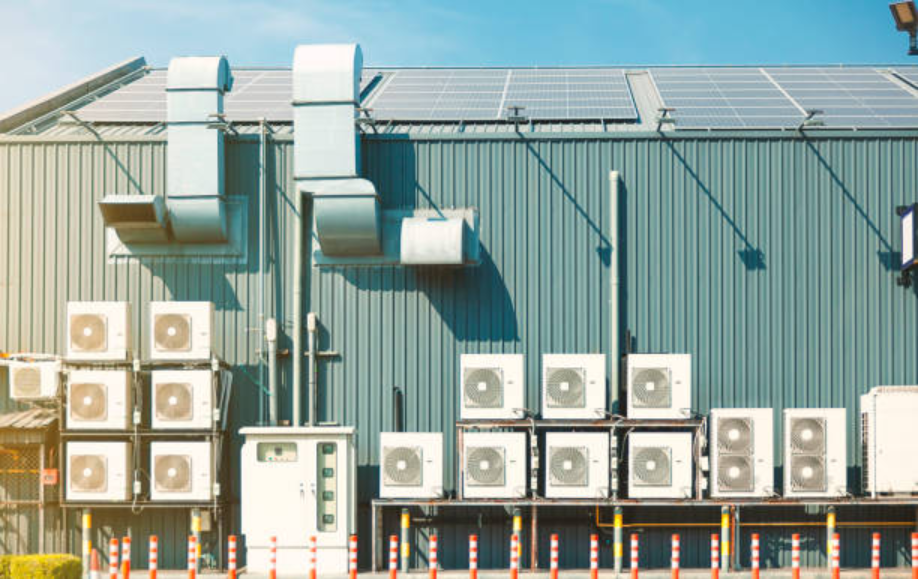
Industrial air conditioning systems are designed to regulate temperature and humidity. Unlike standard residential AC units, industrial systems handle larger volumes of air and maintain stricter environmental parameters.
2. Humidity Control Systems
These systems maintain specific humidity levels to protect sensitive materials. Excessive humidity can cause corrosion, mold growth, or product degradation, while too little humidity can result in static electricity or brittle materials.
3. HVAC Systems
Heating, ventilation, and air conditioning (HVAC) systems are integrated solutions that provide heating, cooling, and ventilation. Modern industrial HVAC systems are energy-efficient and can be automated for precise environmental control.
Applications: Warehouses, office spaces, clean rooms.
4. Environmental Chambers
Environmental chambers are specialized equipment that simulates extreme conditions to test products’ durability and reliability. These chambers can replicate high or low temperatures, humidity changes, and even vibration conditions.
5. Cleanroom Climate Control Systems
Cleanroom systems are designed to maintain strict temperature, humidity, and particle-free environments. They are essential for industries where contamination control is critical.
Key Benefits of Industrial Climate Control Equipment
Implementing climate control systems in industrial operations offers multiple advantages:
1. Enhanced Product Quality
By maintaining consistent environmental conditions, climate control equipment ensures that products meet quality standards without defects caused by temperature or humidity fluctuations.
2. Increased Equipment Lifespan
Proper climate regulation prevents overheating, condensation, and corrosion, protecting sensitive machinery and reducing maintenance costs.
3. Energy Efficiency
Modern climate control systems are designed with energy efficiency in mind. Automated controls, variable speed compressors, and smart sensors optimize energy use while maintaining precise conditions.
4. Compliance with Industry Standards
Certain industries, like pharmaceuticals and electronics, require strict adherence to environmental standards. Climate control equipment ensures compliance with regulatory requirements, avoiding costly penalties.
5. Improved Workplace Comfort and Safety
In addition to protecting equipment and products, climate control systems create a comfortable and safe working environment, reducing worker fatigue and increasing productivity.
Choosing the Right Climate Control Equipment
Selecting the appropriate climate control solution depends on several factors:
- Industry Requirements: Each industry has unique environmental needs that influence the type of equipment required.
- Facility Size: Large manufacturing plants need robust systems, while smaller facilities can use modular solutions.
- Precision Needs: Highly sensitive processes may require specialized chambers or advanced humidity controls.
- Energy Efficiency: Investing in energy-efficient systems reduces long-term operational costs.
- Brand Reliability: Partnering with a trusted provider like TDS Asia ensures access to high-quality, durable, and technologically advanced equipment.
By carefully evaluating these factors, industries can choose climate control solutions that maximize efficiency and protect critical assets.
See also: How Small Business Coaching Can Help You Tackle Early Business Struggles
Why TDS Asia is a Trusted Name in Climate Control Equipment
TDS Asia is a leading provider of industrial climate control solutions, offering a comprehensive range of equipment designed for precision, reliability, and energy efficiency. Their products cater to diverse industrial applications, including manufacturing, pharmaceuticals, food processing, and research laboratories.
Features of TDS Asia Climate Control Equipment:
- Advanced Temperature & Humidity Control: Ensures consistent environmental conditions tailored to your operational needs.
- Durability and Reliability: Built to withstand demanding industrial environments.
- Energy Efficiency: Optimized systems that reduce energy consumption without compromising performance.
- Comprehensive Support: Expert installation, maintenance, and technical support to ensure seamless operation.
Industries that rely on TDS Asia enjoy peace of mind, knowing their critical processes are safeguarded by state-of-the-art climate control technology.
Applications Across Industries
1. Electronics Manufacturing
Climate control equipment prevents static discharge, condensation, and temperature-induced failures, ensuring reliable production of high-quality electronic components.
2. Pharmaceutical & Biotechnology
Precise control of temperature and humidity maintains product stability and regulatory compliance, which is essential for sensitive biological and chemical products.
3. Food Processing & Storage
Climate-controlled environments prevent spoilage, microbial growth, and maintain product freshness throughout processing and storage.
4. Laboratories & Research Facilities
Environmental stability is crucial for conducting accurate experiments and maintaining the integrity of research samples.
5. Aerospace and Automotive Testing
Environmental chambers simulate extreme conditions to evaluate product durability and performance under diverse scenarios.
Future Trends in Climate Control Technology
The industrial climate control sector is evolving rapidly, driven by technological advancements and sustainability goals. Key trends include:
- IoT-Enabled Systems: Real-time monitoring and remote control improve precision and responsiveness.
- AI-Powered Automation: Predictive algorithms optimize climate conditions based on operational needs.
- Sustainable Solutions: Energy-efficient designs and environmentally friendly refrigerants reduce carbon footprint.
- Modular & Scalable Systems: Flexible solutions that can expand with industrial growth.
These innovations make climat control equipment more intelligent, efficient, and adaptable, aligning with modern industrial demands.
Conclusion
Climate control equipment is a critical investment for industries that rely on precise environmental conditions. From enhancing product quality to safeguarding sensitive machinery, the right systems improve operational efficiency and ensure compliance with stringent industry standards.
Partnering with a trusted provider like TDS Asia guarantees access to advanced, reliable, and energy-efficient climate control solutions tailored to industrial needs.
For more information on how climate control equipment can transform your industrial operations, visit TDS Asia’s official page on climate control equipment.