What’s Included in Central Air Conditioning Maintenance?

Just as you depend on your central air conditioner to keep you cool during the heat of summer, your air conditioner depends on you to ensure that it can work effectively and efficiently. At least once a year, you should have a licensed HVAC professional perform basic central air conditioning maintenance to ensure your system operates effectively and efficiently throughout the coming months.
Below, we’ll break down some of the most important elements of AC maintenance and what you can expect from your contractor when they arrive to perform the job:
Component Inspection
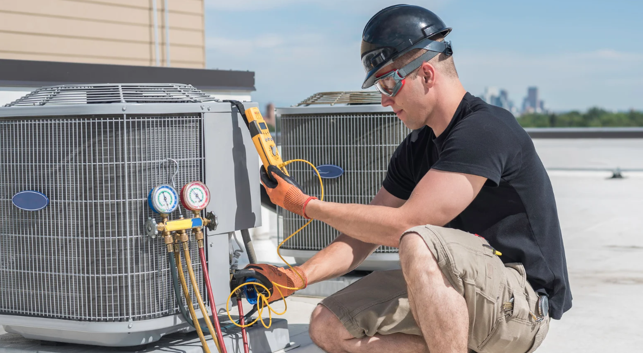
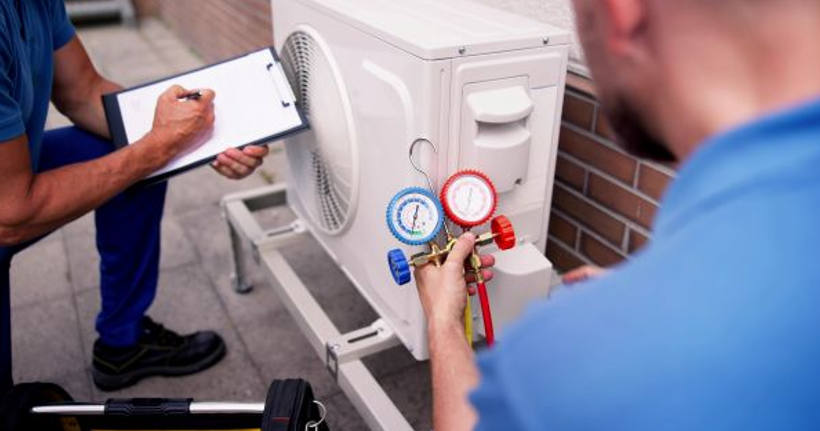
Your central air conditioning unit is a complex system, composed of many different parts that work together to ensure your home stays comfortable during the hottest days of the year. An HVAC professional from a licensed and reputable HVAC company, such as All Weather Heating & Cooling in Ohio, will work their way down a checklist, thoroughly inspecting each component and noting any repairs or replacements that may be needed. They will also test the performance of the system as they go, ensuring the HVAC unit is operating effectively in practice as well as in theory.
Component inspection checklists will differ depending on the type of system you have. However, it will at the very least include a cleaning and an evaluation of coolant levels, electrical connections, and the condition of the filtration system. We’ll discuss each of these in more detail in the subsequent paragraphs in this blog post.
Your HVAC professional will also perform an assessment of the mechanical elements, such as the blower fan, which transfers air throughout the building’s ductwork. Damaged or degraded fan belts, for instance, may be repaired or replaced to ensure air circulation in the home.
Filter Replacement
The air filtration system is a major element of your HVAC system, which directly impacts the air quality within your home. Central AC units employ forced air to cool a building, meaning that a large fan circulates the air throughout a system of interior ductwork. This cooled air then enters each room of the home through vents, bringing the temperature down to the homeowner’s desired level. This method of cooling is highly effective. However, the constant flow of air tends to collect and carry with it dust, dirt, pollen, pet dander, and other impurities.
When these particles are stirred up within the building, they can reduce air quality, which in turn can exacerbate respiratory conditions such as allergies, asthma, COPD, and others. Your HVAC system avoids this problem using filters, which are installed within the system to capture particulate matter before it is introduced to the indoor environment.
Over time, however, a buildup of dust and dirt will clog the filters, making them ineffective and ultimately causing them to do more harm than good as they reintroduce harmful particles into the air. To prevent this, your central air conditioning maintenance will include the cleaning or replacement of the air filters.
Assessing Electrical Connections
Your central air conditioning system is one of the largest and most powerful pieces of machinery in your home, but it can malfunction or break down as a result of the tiniest elements. Even one faulty wire can cause the system to fail to operate effectively. This is because there are several components in your HVAC system that depend on electrical connections to perform their functions.
For example, the thermostat is the brain of the HVAC unit and the interface between you and the machinery itself. It can fail to send the signal needed to cycle the AC unit on and off at the appropriate times if there is a poor connection between the electronic and mechanical components of the system.
One key step of the maintenance process is to inspect and repair the electrical connections within the central air conditioning unit. HVAC professionals, who are trained as electricians among their other responsibilities, will clean corroded electrical connections and restore faulty wiring to ensure the unit continues to operate safely and efficiently.
Checking Refrigerant Levels
The scientific principle underpinning the function of modern air conditioning technology is the vapor compression cycle, which takes advantage of the drop in temperature caused by pressurizing a chemical coolant. There are several chemicals used in modern air conditioning systems, with the most common currently being R-410A. This refrigerant is more ecologically friendly than previously employed coolants, although it is currently being phased out in favor of other chemicals with lower global warming potential. Your HVAC professional is responsible for knowing what type of refrigerant your system needs and ensuring there is enough of it so that the cooling process can proceed efficiently.
Over time, your AC unit will bleed coolant, ultimately resulting in lost pressure and reducing the efficiency of the system. This can impact your energy costs, as a system short on coolant must work harder to achieve the desired results. Your HVAC professional will check the coolant levels as part of the maintenance process and replace lost refrigerant if needed.
See also: Secure Fixed Rate Home Loan Perth Interest Options
Coil Cleaning
Another factor that impacts the efficacy of the heat transfer in your HVAC system is the cleanliness of the refrigerant coils themselves. The refrigerant coils absorb heat energy from the air that is passed over them. This is what reduces the temperature of the air itself. Efficient heat transfer, however, depends on the unhindered flow of energy between the coils and the air. If the coils become dirty or are otherwise blocked, that dirt may act as insulation and prevent efficient cooling.
Your HVAC professional will remove any leaves or other obstructions that have blocked the coils. They’ll also gently clean them with a specialized product designed specifically for the purpose. This, along with the other steps included in central air conditioning maintenance, will ensure your HVAC system can operate at peak capacity. It’s a simple and assured way to reduce your energy costs and increase the lifespan of your equipment.